
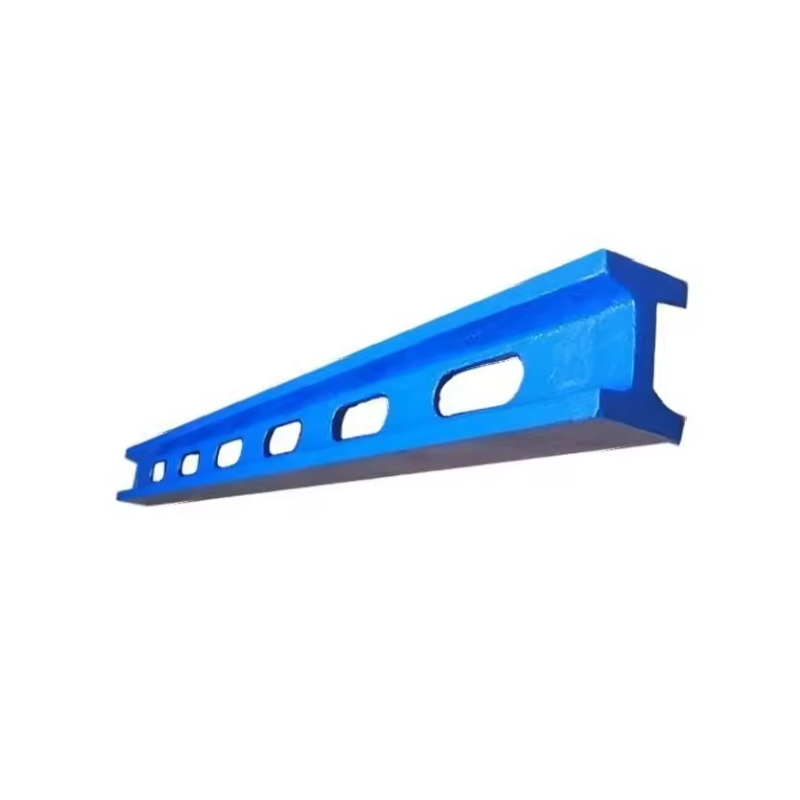
frosted sandblasted glass
A Buyer’s Field Notes on Precision Pin Gauges in 2025 If you’re scanning the market for pin gauges for sale , you probably already know the basics: these little workhorses are the fastest way to verify hole size with repeatable certainty. But the gap between “good enough” and production-grade is wider than it looks. I’ve toured a few gauge rooms lately and, to be honest, what separates a reliable set is the grind, the heat treat, and whether the calibration paperwork actually means something in an audit. What’s moving the market Two trends: smaller diameters and tighter tolerances. Medical device, fuel systems, and precision nozzles are driving sub-1 mm checks with ±1 µm aspirations. Also, buyers want traceability without fuss—QR-coded certificates and ISO/IEC 17025 calibration from the get-go. It seems that even job shops now expect lab-grade documentation. Product snapshot: Pin Gauge (0–10 mm) Origin: No.17, Building 11, Hardware Building Material City, Botou, Cangzhou, Hebei, China. Pin-type plug gauges for measuring small round-hole IDs with high precision. Typical sets in 0.01 mm or 0.005 mm steps. Parameter Spec (≈, real-world may vary) Diameter range 0.20–10.00 mm (custom to 0.05 mm below 0.20 mm) Tolerance grades Class X ≈ ±1.0 µm; Class Y ≈ ±1.5 µm; Class Z ≈ ±2.5 µm Material & hardness GCr15 / AISI 52100, HRC 60 ±2; optional carbide for abrasive use Finish & roundness Ra ≤ 0.05 µm; roundness ≤ 0.5 µm Length & marking 40–50 mm; laser-etched ID; optional QR linked cert Calibration ISO/IEC 17025 traceable cert available, GR&R-ready Process flow (how good pins are born) Material selection → vacuum heat-treatment → centerless grinding → fine lapping → superfinishing → laser marking → 100% inspection. Verification typically references ISO 1938-1 plain gauge requirements and reports uncertainty from a 17025-accredited lab. A quick batch study I saw: 30 pins at 2.00 mm, Class X, mean deviation +0.3 µm, 2σ ≈ 0.8 µm (air comparator). Service life? With proper oiling and sleeves, many shops report 100k+ insertions before any drift shows up. Where they shine Aerospace bushings and hydraulic orifices Automotive injectors, valve-seat checks, turbo oil galleries Medical hypotubes, surgical guides, and micro-molds General QC, toolroom setups, fixture qualification Many customers say the practical win is speed: no warm-up, no fuss—just Go/No-Go confidence. For CAPA-heavy environments, the audit trail matters just as much. Vendor landscape (my quick comparison) Vendor Typical tolerance Calibration Lead time Customization STR Machinery (Botou, Hebei) Class X–Z (±1.0–2.5 µm) ISO 17025 traceable Around 7–15 days Go/No-Go pairs, carbide, TiN Mitutoyo High precision, global stock Factory cert; 17025 via partners Stock-dependent Limited special builds Vermont Gage Class XX/X/ZZ (inch & metric) Accredited cert options Good U.S. availability Broad catalog Meyer Gage Shop-staple tolerances Cert on request Fast for standard sets Core sizes; customs limited Customization and QA Options include carbide pins for abrasive composites, extended-length for deep bores, matched Go/No-Go pairs, and anti-corrosion coatings. Testing typically includes air-comparator master checks, roundness measurement, and GR&R studies per AIAG MSA. One shop told me they cut scrap 18% after switching to Class X pins and locking in a weekly wipe-down + oil routine. Small habit, big payoff. Buying tips Ask for uncertainty on the cert, not just nominal tolerance. Verify reference to ISO 1938-1 and lab accreditation per ISO/IEC 17025. For harsh use, spec carbide or TiN and plan periodic re-cert (6–12 months). If you’re lining up pin gauges for sale for a medical or aerospace audit trail, don’t skimp on documentation. It’s cheaper than rework—always. References ISO 1938-1: Geometrical Product Specifications — Plain limit gauges ASME B89.1.5: Plug/Limit Gages ISO/IEC 17025: Testing and calibration laboratories AIAG MSA (GR&R) 4th Edition
about
frosted sandblasted glass
Understanding Spirit Levels The Importance of Accuracy in Measurement In the realm of construction, engineering, and various crafts, precision is paramount. A spirit level, often referred to as a bubble level, is an essential tool that ensures surfaces are perfectly horizontal or vertical. Among the various specifications available, a spirit level with an accuracy of 0.02 mm/m is noteworthy for its high precision, making it an invaluable instrument in fields where even the slightest deviation can lead to significant consequences. What is a Spirit Level? A spirit level typically consists of a sealed tube containing a liquid and a bubble of air. When the level is placed on a surface, the bubble will move along the tube, indicating whether the surface is level. The principle is straightforward, yet its implications are extensive. For instance, if a foundation is not adequately leveled, it could compromise the structural integrity of a building, leading to potential safety hazards. The Importance of Measurement Accuracy The specification of 0.02 mm/m indicates that for every meter of measurement, the allowable deviation is a mere 0.02 mm. This level of precision is particularly crucial in high-stakes industries. In construction, for example, a slight misalignment could affect everything from aesthetics to functionality. Consider the installation of large, heavy machinery or the crafting of fine furniture; even the smallest error can result in significant issues down the line. Therefore, using a spirit level that boasts such tight accuracy standards is vital. Applications in Various Fields spirit level 0.02 mm m 1. Construction In the construction industry, spirit levels are used extensively during the building process. Ensuring that floors, walls, and ceilings are perfectly aligned is critical for both safety and design. A level that provides an accuracy of 0.02 mm/m ensures that any structural element can be installed precisely, reducing the risk of settling, cracking, or failure. 2. Manufacturing In manufacturing settings, machinery that operates on a level plane increases efficiency and reduces wear and tear. For industries that rely on precision engineering, such as aerospace or automotive, using a spirit level with high accuracy is non-negotiable. 3. Carpentry Skilled craftsmen such as carpenters depend on precise measurements to avoid costly mistakes. The aesthetic appeal of finished woodwork greatly depends on straight lines and right angles. A spirit level that measures with 0.02 mm/m precision helps ensure the integrity of joints and connections, enhancing both the functionality and the appearance of the final product. 4. Photography and Film Interestingly, even in creative fields like photography, a spirit level is crucial. For landscape photographers, achieving the perfect horizon is vital for capturing stunning images. A level that guarantees precision helps in setting up shots that are visually appealing. Conclusion A spirit level with an accuracy of 0.02 mm/m is more than just a simple measuring tool; it is a bridge between vision and reality in various professional fields. Its significance extends beyond just leveling surfaces; it embodies the principles of precision and attention to detail that are necessary for quality craftsmanship. As we advance into a future where technological precision is ever more critical, understanding the importance and application of tools like the spirit level becomes not only beneficial but essential for success in many disciplines. Whether you are constructing a building, aligning machinery, or capturing the perfect photograph, the reliability offered by such high-accuracy spirit levels ensures that your work is grounded in precision and excellence.
-

High quality industrial productsagement

High quality industrial products
View Details -

Meet the diverse needs of customers

Meet the diverse needs of customers
View Details -

Strict quality control

Strict quality control
View Details -

Top raw materials

Top raw materials
View Details -

Trusted supplier

Trusted supplier
View Details
Our application


news and information
V Frames - Innovative Video Frame Solutions for Your Visual Needs
Understanding V-Frames in Video Production In the world of video production, the term V-frames refer
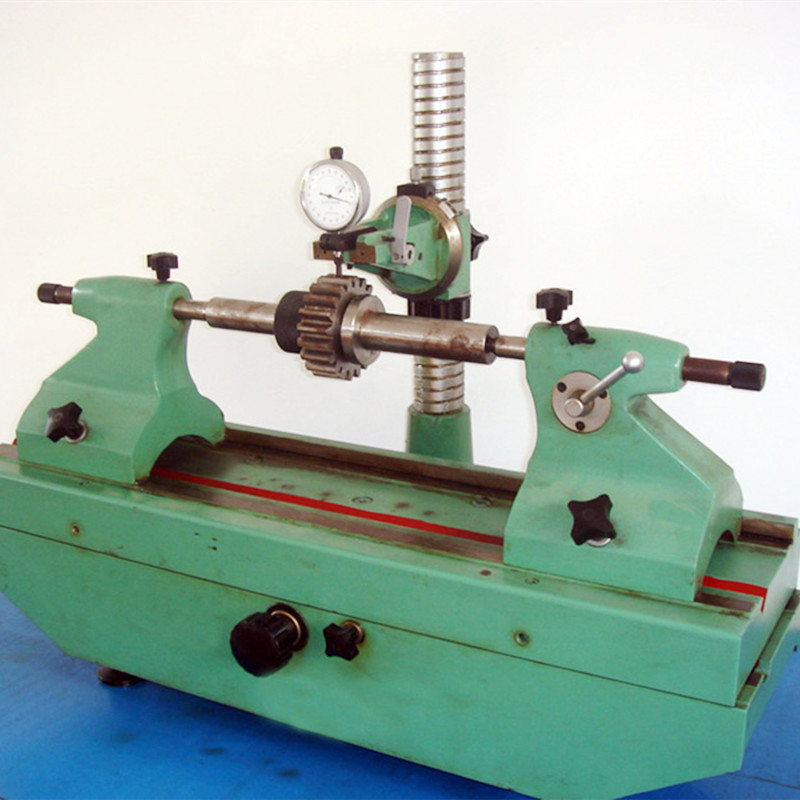
Wood frame joinery solutions for seamless construction and structural support connections
Wood frame connectors are essential components in any wooden structure, providing stability and supp
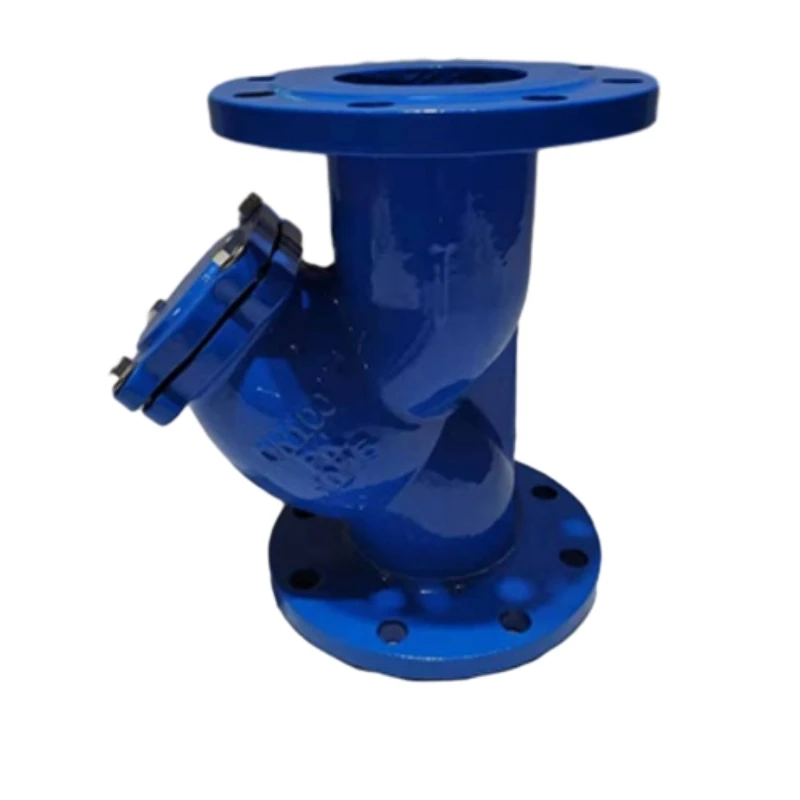
Water Control Valves_ Essential Components for Fluid Regulation
When it comes to fluid management systems, water control valves are indispensable for ensuring effic
 English